LivingToxFree
Your home should be the one place you can fully exhale. Yet the modern household quietly accumulates a long list of synthetic chemicals — in cleaning sprays, air fresheners, cookware coatings, furniture treatments, and the water coming out of your tap. Most never appear on a label, and most are present at low levels. The goal here is not alarm; it's awareness. When you understand where these exposures come from, you can reduce them with a handful of practical, affordable swaps that genuinely move the needle.
This is the principle we return to again and again: a healthier home is built on progress, not perfection. You don't need to gut your house in a weekend. You need to know which changes matter most, and tackle them in an order that fits your life and your budget.
Where Household Toxins Actually Hide
Exposure in the home tends to cluster in a few predictable categories. Knowing the categories lets you prioritize instead of guessing.
| Source | What to watch for | Why it matters |
|---|---|---|
| Cleaning products | Quaternary ammonium compounds ("quats"), synthetic fragrance, ammonia, chlorine bleach | Respiratory irritation; fragrance can carry undisclosed mixtures |
| Air fresheners & scented candles | "Fragrance"/"parfum," paraffin soot, phthalates used to carry scent | Phthalates are linked to hormone disruption; soot affects air quality |
| Non-stick cookware | PFAS coatings (the "forever chemicals") | Persist in the body and environment; release fumes when overheated |
| Furniture & textiles | Flame retardants, stain-resistant (PFAS) treatments | Migrate into household dust you breathe and touch daily |
| Tap water | Chlorine byproducts, lead from older plumbing, certain PFAS | Long-term, low-dose exposure adds up over years |
| Plastics in the kitchen | BPA, BPS, phthalates in food-contact plastics | Leach more when heated or scratched |
If you want the full ranked picture, our guide to the top chemicals to eliminate from your home walks through the worst offenders in order of impact. For the category that worries most families — the hormone-active compounds — see the hidden chemicals disrupting your body's command center.
A Sensible Order of Operations
You'll get the most benefit per dollar and per hour by working from the items you contact most often toward the ones you contact least. A practical sequence:
- Cleaning sprays you use daily. These are the easiest, cheapest swap and the one your lungs notice first.
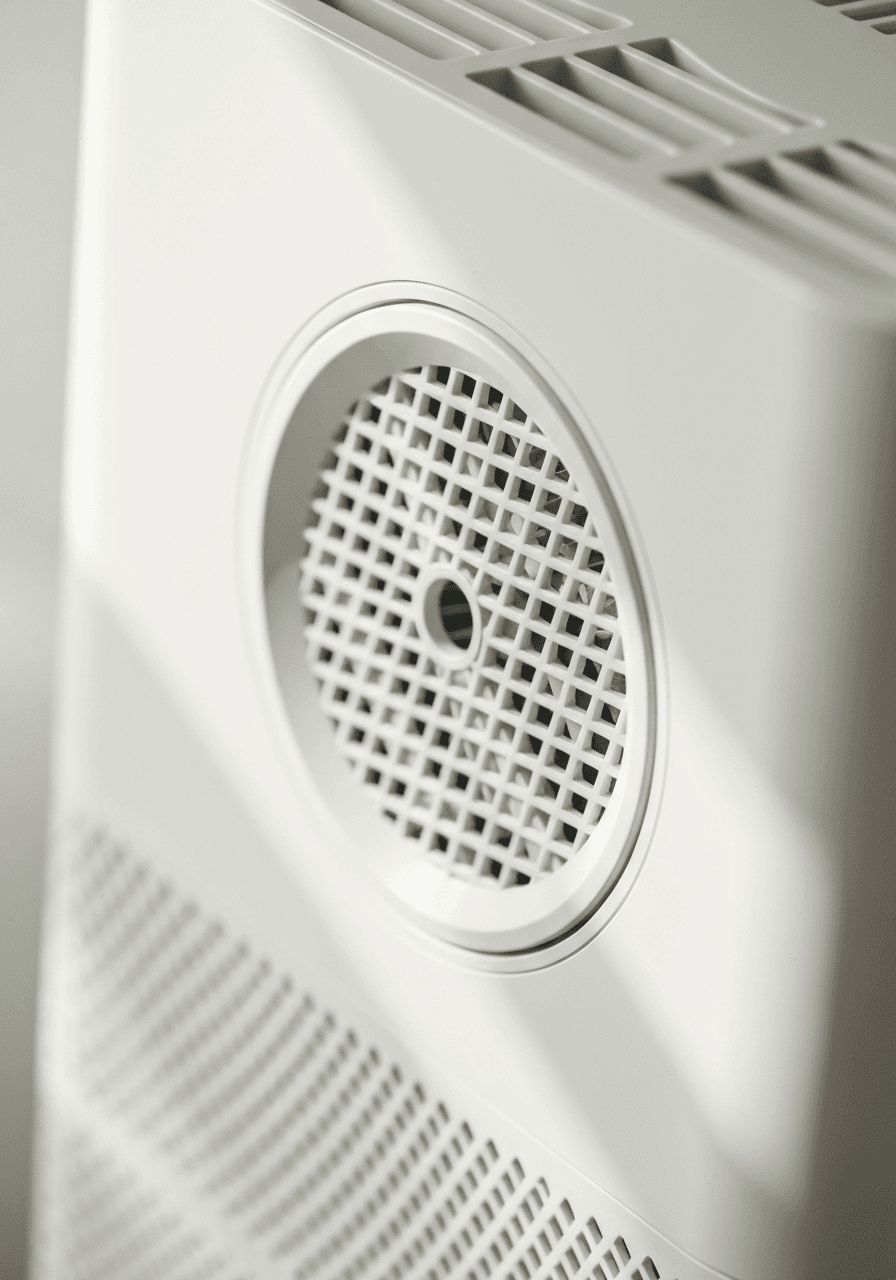
- Air quality. Open windows, skip plug-in air fresheners, and add a HEPA purifier if budget allows.
- Cookware and food storage. Replace damaged non-stick pans and the most scratched plastic containers.
- Drinking water. A certified filter is a one-time fix for a daily exposure.
- Soft furnishings. Address these as you naturally replace them — no need to discard usable furniture.
This staged approach is the heart of going toxin-free on a budget: you don't overhaul everything at once, you sequence the changes so the high-impact, low-cost ones come first.
Greener Cleaning That Actually Works
You don't need a cabinet full of specialty sprays. A small set of basics handles the vast majority of household cleaning, costs a fraction of conventional products, and leaves no synthetic fragrance behind.
| DIY mix | What you need | Best for |
|---|---|---|
| All-purpose spray | 1 part white vinegar to 1 part water; optional drops of essential oil | Counters, glass, finished surfaces |
| Scrubbing paste | Baking soda + a little water or castile soap | Sinks, tubs, stovetops, grout |
| Glass & mirror | 2 cups water, 2 tbsp vinegar, splash of rubbing alcohol | Streak-free windows and mirrors |
| Drain freshener | Baking soda followed by vinegar, then hot water | Routine drain maintenance |
A few caveats worth honoring: vinegar is not recommended on natural stone (granite, marble) because the acid can etch the finish — use a pH-neutral soap there instead. Never combine vinegar with bleach or hydrogen peroxide. And when you buy a ready-made "green" product, read the label rather than trusting the front of the bottle, since terms like "natural" are unregulated.
Reading Labels With Confidence
Marketing language on household products is designed to reassure, not inform. The real story is on the ingredient panel — and learning to read it is the single most transferable skill in non-toxic living. Start with our primer on what those long chemical names actually mean, then go deeper with the language of ingredients decoded for the standardized naming used across cleaning and personal-care labels.
One word deserves special attention: "fragrance" (or "parfum"). A single fragrance listing can legally stand in for dozens of undisclosed compounds, some of which are exactly the ones a careful household is trying to avoid. Choosing genuinely fragrance-free products is one of the simplest ways to cut hidden exposure.
Why Small Exposures Still Matter
It's fair to ask whether trace amounts are worth worrying about. For any single product, the dose is usually tiny. The issue is cumulative: you're exposed to many low-level sources at once, every day, for years. That's the case for steady, unglamorous swaps rather than one dramatic purge — and it's covered in depth in why "just a little" isn't so little after all. The aim is to lower your household's total chemical load over time, not to chase a zero that doesn't exist.
Keep Going
A cleaner home connects to the rest of how you live. Once your cleaning and air are in good shape, the natural next steps are your food and kitchen choices and the personal care and beauty products you use daily. If you're protecting little ones, our guidance for children and family focuses on the exposures that matter most for developing bodies.
Whether you're taking your first step or fine-tuning a home you've already cleaned up, the path is the same: choose the next high-impact swap, make it, and move on. A genuine sanctuary is built one small, confident change at a time.
Read our latest articles
Dive into our latest articles below to start creating the clean, healthy home you and your family deserve…