LivingToxFree
The average American spends roughly 90% of their time indoors, according to the EPA — and indoor air can contain two to five times more pollutants than outdoor air. A non-toxic home isn't about perfection or paranoia; it's about making informed, practical choices that steadily reduce your family's exposure to unnecessary chemicals across the spaces where you live, cook, sleep, and breathe.
This pillar guide gives you the complete map: what the biggest sources of indoor pollution actually are, which swaps deliver the most impact per dollar, and where to go deeper on every major topic. Think of it as your home headquarters — a strategic starting point that links to every specialized resource you need to move from overwhelmed to genuinely in control.
Why Your Home's Chemical Load Matters
Most household chemicals don't arrive with warning labels dramatic enough to trigger concern. They accumulate quietly — in furniture foam, spray cleaners, scented plugins, and synthetic candles — building what researchers call the "total body burden." A single product may seem trivial; the combination across an entire home is worth paying attention to. For a fuller explanation of how small daily exposures add up, see our deep-dive on the toxic buildup effect.
The good news: the home is also the environment you have the most control over. Unlike outdoor air or municipal water, you choose nearly every product that enters your front door.
The Four Pillars of a Non-Toxic Home
1. Indoor Air Quality
Indoor air pollution comes from three main categories: combustion byproducts (gas stoves, candles, fireplaces), volatile organic compounds or VOCs (paints, cleaning sprays, synthetic fragrances), and particulate matter (dust, pet dander, mold spores).
Ventilation first. Opening windows for even 10 minutes after cleaning or cooking can dramatically dilute airborne chemicals — no product purchase required. Cross-ventilation (windows on opposite sides of a room) is most effective.
Air purifiers as a backstop. A quality HEPA + activated carbon air purifier captures both particles and gas-phase VOCs. Which models actually perform? See our tested recommendations in Best Air Purifier for VOCs & Chemicals.
Watch what you burn and spray. Conventional air fresheners and scented sprays are among the most concentrated sources of indoor VOCs — phthalates, formaldehyde, and synthetic musks among them. The full science is covered in Is Your Air Freshener Toxic? (VOCs Explained). Similarly, conventional paraffin candles release soot and potential carcinogens; find toxin-free alternatives in Best Non-Toxic Candles and the companion explainer Are Scented Candles Toxic?
2. Cleaning Products
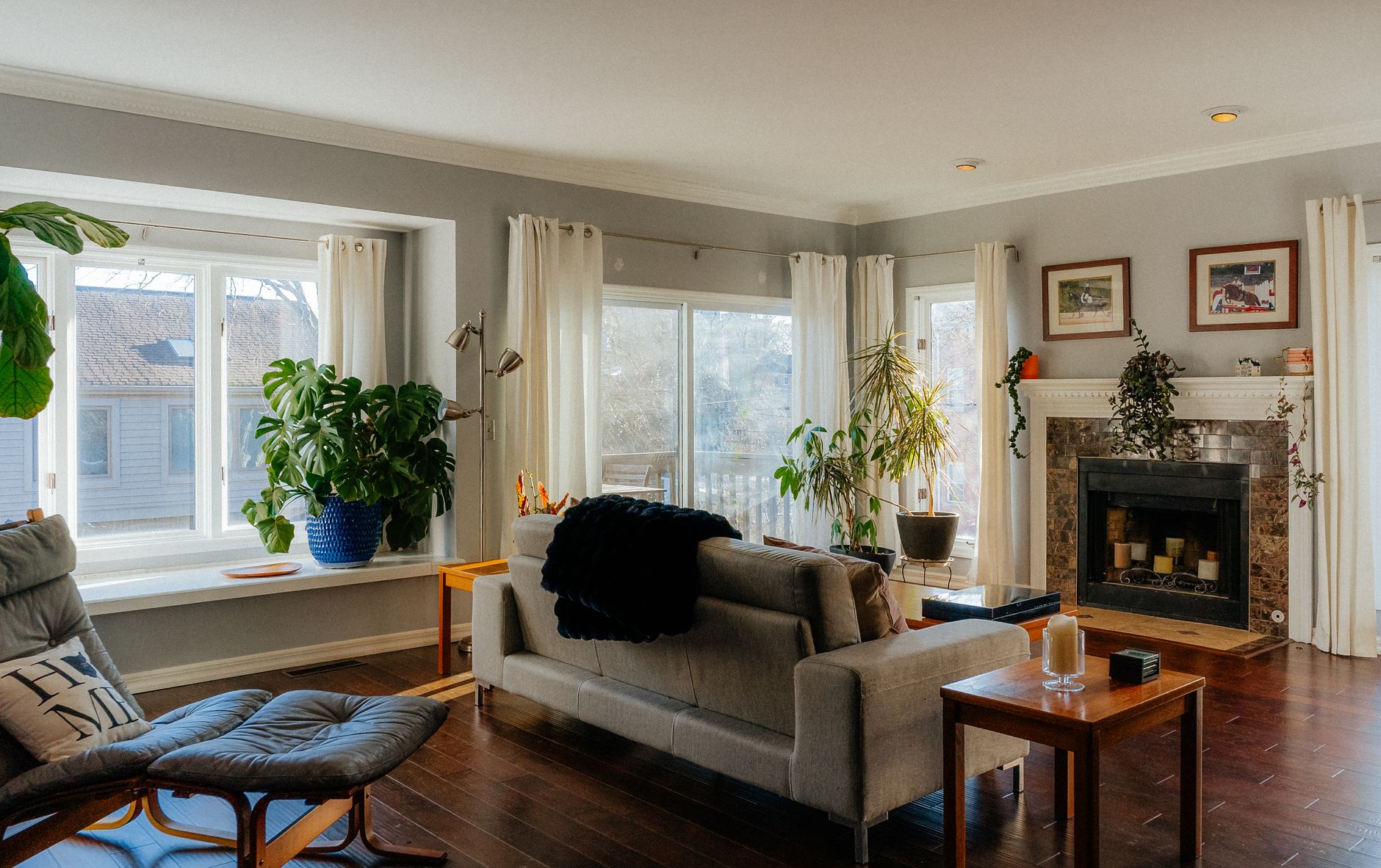
Cleaning is the category where most households make the fastest, most affordable gains. Conventional multipurpose sprays, bathroom scrubs, and drain openers routinely contain quaternary ammonium compounds ("quats"), chlorinated solvents, synthetic fragrances, and surfactants linked to aquatic toxicity and skin sensitization.
The hidden ingredient problem. Cleaning products in the US are not required to disclose every ingredient on the label — a loophole that lets problematic chemicals hide under "fragrance" or simply go unmentioned. For a full breakdown of what to avoid and why, read Hidden Toxins in Cleaning Products (What to Avoid).
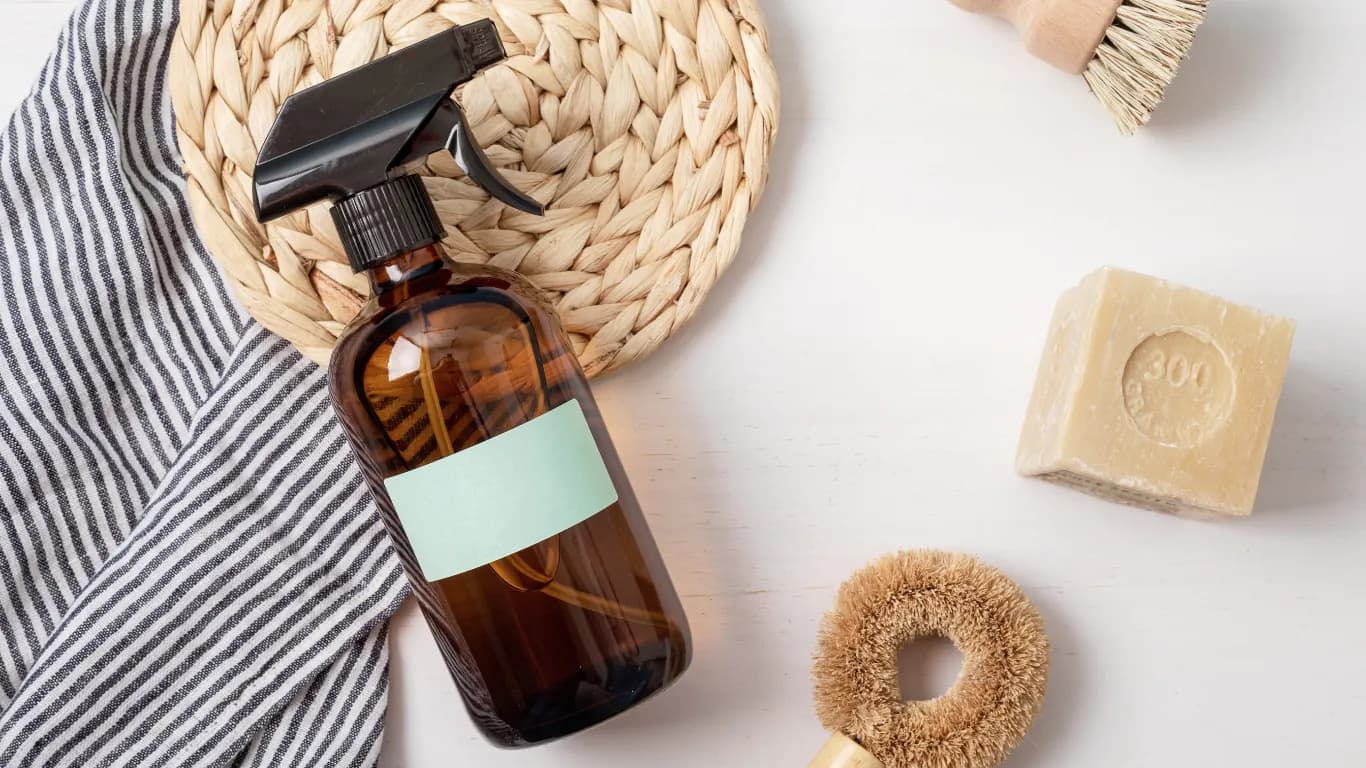
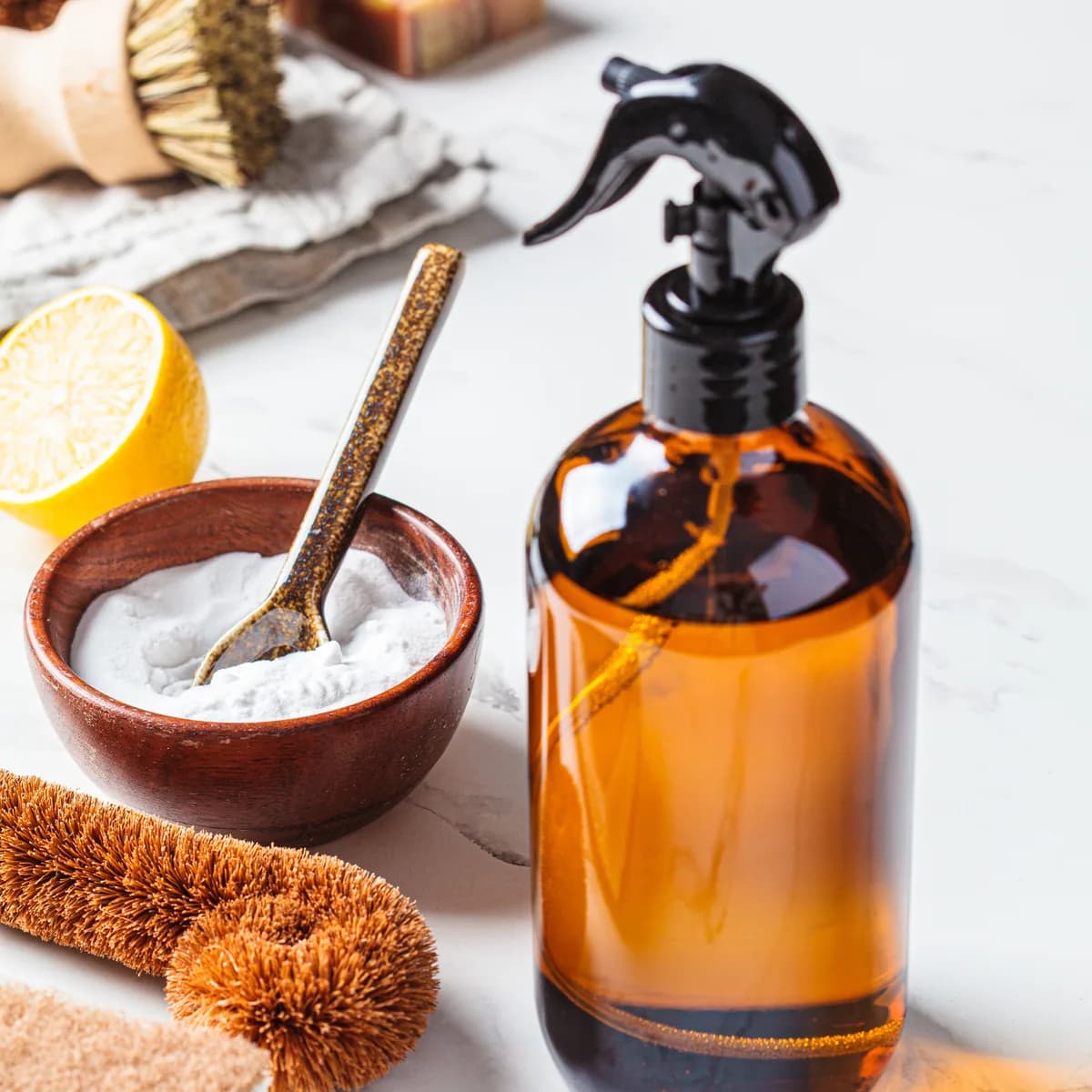
Your replacement toolkit. You don't need 15 products to clean a home. White vinegar, baking soda, castile soap, and hydrogen peroxide handle most surfaces and tasks. For a complete DIY-plus-buy approach, How to Make a Non-Toxic Cleaning Kit walks through every room. When you prefer to buy ready-made, Best Non-Toxic Cleaning Products (Tested) lists vetted options across categories.
Don't overlook the details. Dish soap sits on your counter and contacts your food-touching items dozens of times a day — a small swap with outsized impact. See Best Natural Dish Soap. Laundry detergent residue stays on every fabric that touches your skin; tested picks are in Best Non-Toxic Laundry Detergent.
3. Surfaces, Materials & Furnishings
What your walls, floors, and furniture are made of contributes to background chemical exposure around the clock — even when you're not actively cleaning or spraying anything.
| Material / Product | Common Concern | Lower-Toxicity Alternative |
|---|---|---|
| Conventional paint | VOCs, formaldehyde | Zero-VOC or natural clay paint |
| Pressed-wood furniture | Formaldehyde off-gassing | Solid wood, CARB-compliant MDF |
| Synthetic carpet | VOCs, flame retardants | Wool, jute, or certified-low-VOC nylon |
| Conventional mattress | Flame retardant chemicals, off-gassing foam | GOTS-certified organic latex or wool |
| Vinyl flooring (PVC) | Phthalates | Cork, hardwood, linoleum (not vinyl) |
Off-gassing is heaviest when materials are new, so maximizing ventilation during and after any renovation is especially important. For major projects, our Home Construction & Renovation section goes deep on material selection and contractor questions.
4. Fragrance & Scent
Fragrance is the single ingredient category that cuts across virtually every product in your home — cleaners, candles, laundry detergent, plug-ins, personal care. Under US labeling law, "fragrance" can represent a blend of dozens of undisclosed chemicals, including known hormone disruptors and VOC-generating compounds.
The practical rule: choose products that list every ingredient (look for brands compliant with the International Fragrance Association's transparency standards, or certified by EWG Verified) and favor scents derived from essential oils over "fragrance" catch-alls. Understanding those long ingredient names is easier with our guide to decoding product labels.
A Priority Order for Your Non-Toxic Home Transition
Not everyone can overhaul everything at once — nor should you feel pressured to. The principle is to replace products with higher-exposure, higher-toxicity profiles first, as your budget and time allow.
Highest impact, lowest cost: swap cleaning sprays and dish soap, stop buying synthetic air fresheners, open windows daily.
Medium effort, significant payoff: replace laundry detergent, add an air purifier to the bedroom, transition candles to beeswax or soy alternatives.
Longer-term investments: replace synthetic carpet when due for renewal, choose low-VOC paint for the next room refresh, select a non-toxic mattress on your next replacement cycle.
Budget constraints are real — see Toxin-Free on a Budget for a ranked prioritization framework.
Explore Every Room and Life Area
The home doesn't exist in isolation from the rest of your life. LivingToxFree covers the full picture: what's in your food and kitchen, your personal care products, what your children are exposed to, how toxins travel into your outdoor living spaces, and what you bring home through fashion and textiles. Each section uses the same evidence-led approach: identify the real exposure routes, quantify where possible, and recommend practical swaps.
The Bottom Line
A non-toxic home isn't a single product purchase or a weekend project — it's a series of deliberate, cumulative decisions that compound over time. Start where you spend the most time and where replacement is easiest: cleaning products, air quality, and fragrance. Use the specialized guides linked throughout this article to go deeper on each category without duplicating effort. The goal isn't a sterile environment; it's a home where the background level of unnecessary chemical exposure is meaningfully lower than it was before — and where your choices are grounded in evidence rather than marketing claims.