LivingToxFree
Plastic food containers are in virtually every American kitchen — stacked in cabinets, cycling through the dishwasher, and heading to the office packed with lunch. They're cheap, lightweight, and convenient, but the question of whether are plastic containers safe for everyday food storage has become one of the most debated topics in consumer health. The short answer is: it depends on the plastic, how you use it, and how much accumulated exposure you're already carrying.
The concern isn't hypothetical. Decades of peer-reviewed research have linked certain plastic chemicals — most famously bisphenol A (BPA) but also a growing list of its replacements — to hormonal disruption, metabolic changes, and developmental concerns. Layered on top of that is an emerging body of evidence on microplastics, the tiny fragments that shed from plastic containers directly into your food. This article breaks down the science, identifies the riskiest container types, and points you toward the most practical safer swaps.
Why Plastic Containers Raise Red Flags
The BPA Problem
BPA (bisphenol A) is a synthetic estrogen-mimicking compound used to harden polycarbonate plastics and line some food-can interiors. It leaches into food and beverages — a process accelerated by heat, acidic foods, and scratching. The FDA updated its stance in 2024, concluding that BPA exposure from food contact materials is a greater health concern than previously recognized, particularly for infants and developing fetuses.
BPA belongs to a class of chemicals called endocrine disruptors. For a deeper look at how these compounds interfere with hormone signaling, see our guide on hormone hijackers and endocrine-disrupting chemicals.
"BPA-Free" Doesn't Mean Risk-Free
When manufacturers removed BPA under consumer pressure, they largely replaced it with structurally similar bisphenols — BPS, BPF, and others. Research published in Environmental Health Perspectives found that many BPA alternatives show comparable or greater estrogenic activity. The "BPA-free" label is a marketing claim, not a safety certification.
Microplastics: A Newer Layer of Concern
Microplastics (particles under 5 mm) and nanoplastics (under 1 µm) shed from plastic containers during normal use — especially when heated, scratched, or washed repeatedly. A 2023 study in Nature Food found that a single polypropylene container heated in a microwave for three minutes released millions of microplastic and nanoplastic particles per square centimeter of surface area. These particles have been detected in human blood, lung tissue, placental tissue, and, as of 2024, in arterial plaque. Long-term health implications are still being studied, but the precautionary case for reducing exposure is strong.
Decoding Plastic Recycling Numbers
The resin identification code (the number inside the recycling triangle) tells you what type of plastic you're dealing with — and which ones pose the most concern.
| Resin Code | Plastic Type | Common Use | Risk Level |
|---|---|---|---|
| #1 PET/PETE | Polyethylene terephthalate | Single-use water bottles, deli containers | Low for single use; avoid reusing |
| #2 HDPE | High-density polyethylene | Milk jugs, some food containers | Lower risk |
| #3 PVC | Polyvinyl chloride | Cling wrap, some containers | High — contains phthalates |
| #4 LDPE | Low-density polyethylene | Squeeze bottles, bread bags | Lower risk |
| #5 PP | Polypropylene | Yogurt cups, microwave containers, sippy cups | Moderate; still sheds microplastics |
| #6 PS | Polystyrene | Styrofoam takeout containers, clear deli cups | High — styrene is a possible carcinogen |
| #7 Other | Includes polycarbonate (BPA source) | Reusable water bottles, baby bottles | High if polycarbonate |
The hierarchy is clear: #3, #6, and #7 polycarbonate are the highest-priority items to replace. But given the microplastics evidence, reducing reliance on all plastic food containers — especially for hot foods — is a reasonable goal.
When Plastic Is Most Likely to Leach
Knowing your risk factors helps you prioritize. Plastic leaching is not constant — it spikes under specific conditions:
- Heat: Microwaving food in plastic containers, even those labeled "microwave-safe" (a durability claim, not a safety one), dramatically increases leaching.
- Fatty or acidic foods: Oils, tomato sauce, citrus, and vinegar-based foods draw chemicals out of plastic more readily than neutral foods.
- Scratching and age: Worn, scratched, or cloudy containers have compromised surfaces that release more particles.
- Dishwasher cycling: High heat and harsh detergents accelerate degradation, especially for polycarbonate and polystyrene.
The cumulative exposure picture matters too. Plastic containers are one of many potential sources of chemical exposure in the home. For context on how small, repeated exposures add up over time, see our piece on the toxic buildup effect.
The Safest Alternatives for Food Storage
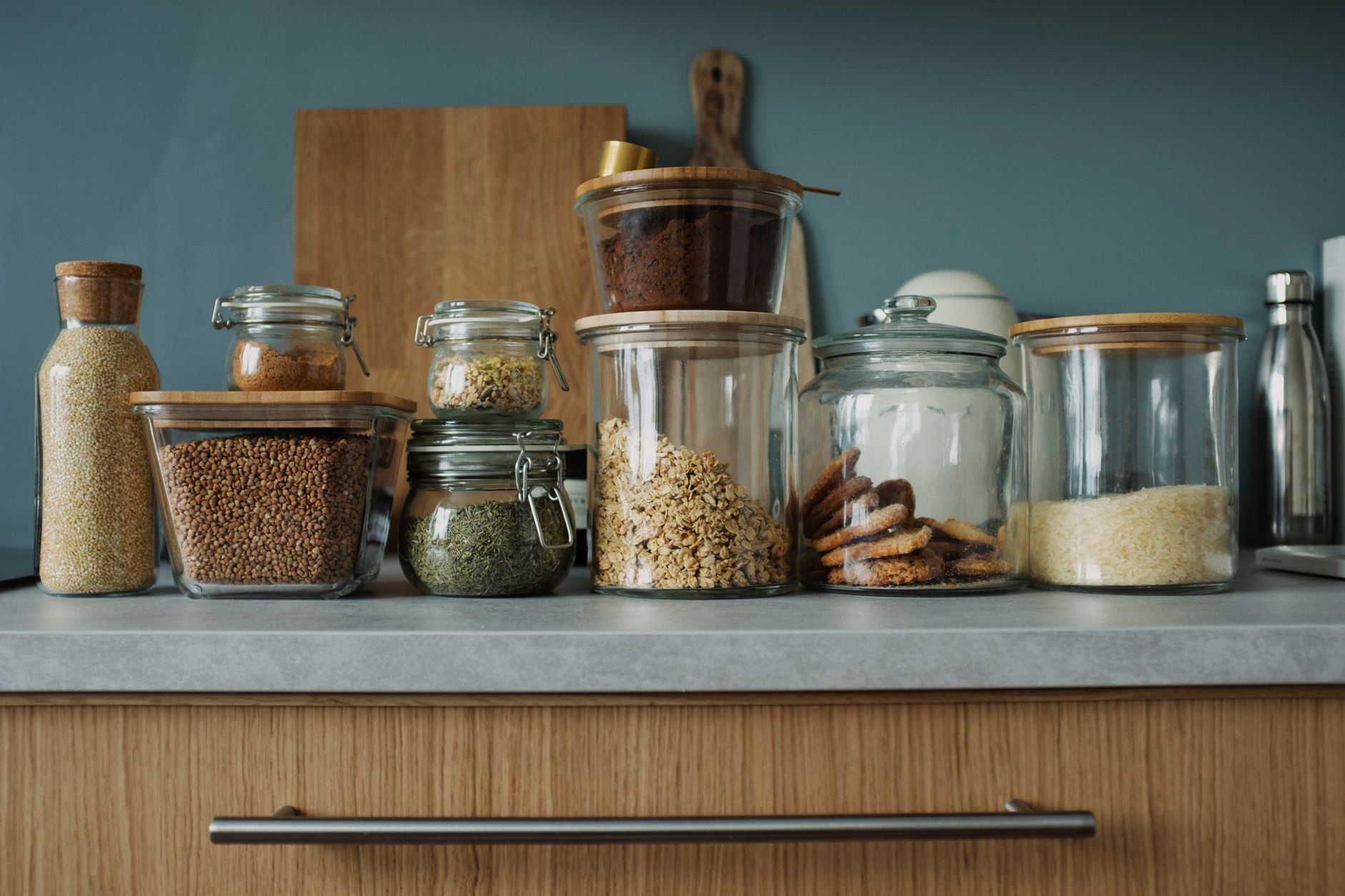
Glass: The Gold Standard
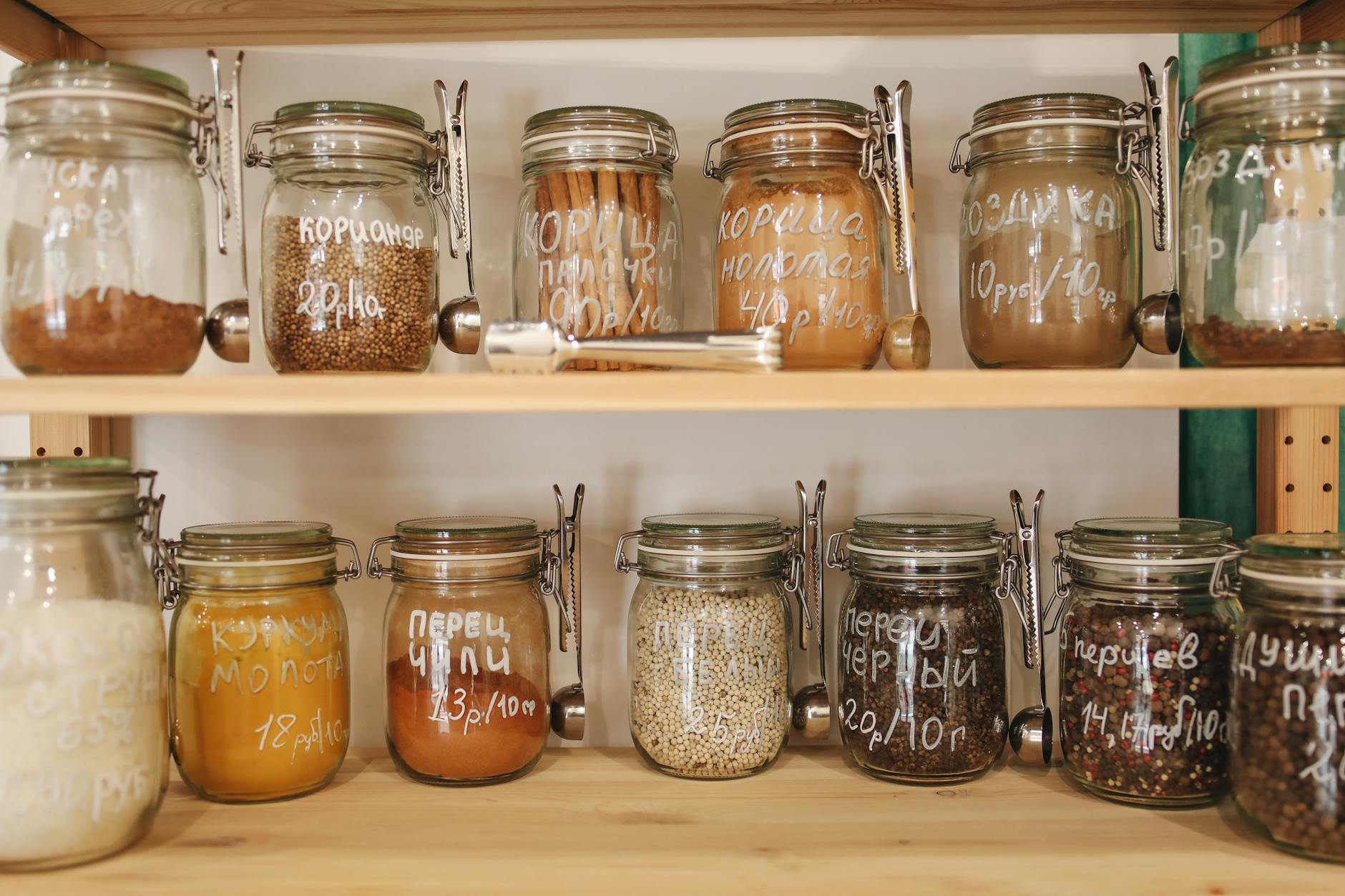
Borosilicate and soda-lime glass containers are chemically inert — they don't leach compounds into food under any normal storage condition, including heat. They handle the freezer, microwave, and oven (without lids) without degrading. For a curated roundup of top-rated options, see our guide to best glass food storage containers.
Stainless Steel
Food-grade 304 (18/8) stainless steel is an excellent non-leaching option for lunch containers, bento boxes, and bulk food storage. It's not microwave-compatible, but it's virtually indestructible and does not shed particles.
Silicone (with Caveats)
Food-grade platinum-cured silicone is considered low-risk for most storage applications. It's flexible, oven-safe, and widely available for bags and stretch lids. Look for "food-grade" or "platinum silicone" specifically — lower grades may contain fillers that leach under heat.
What About Kids' Dishes?
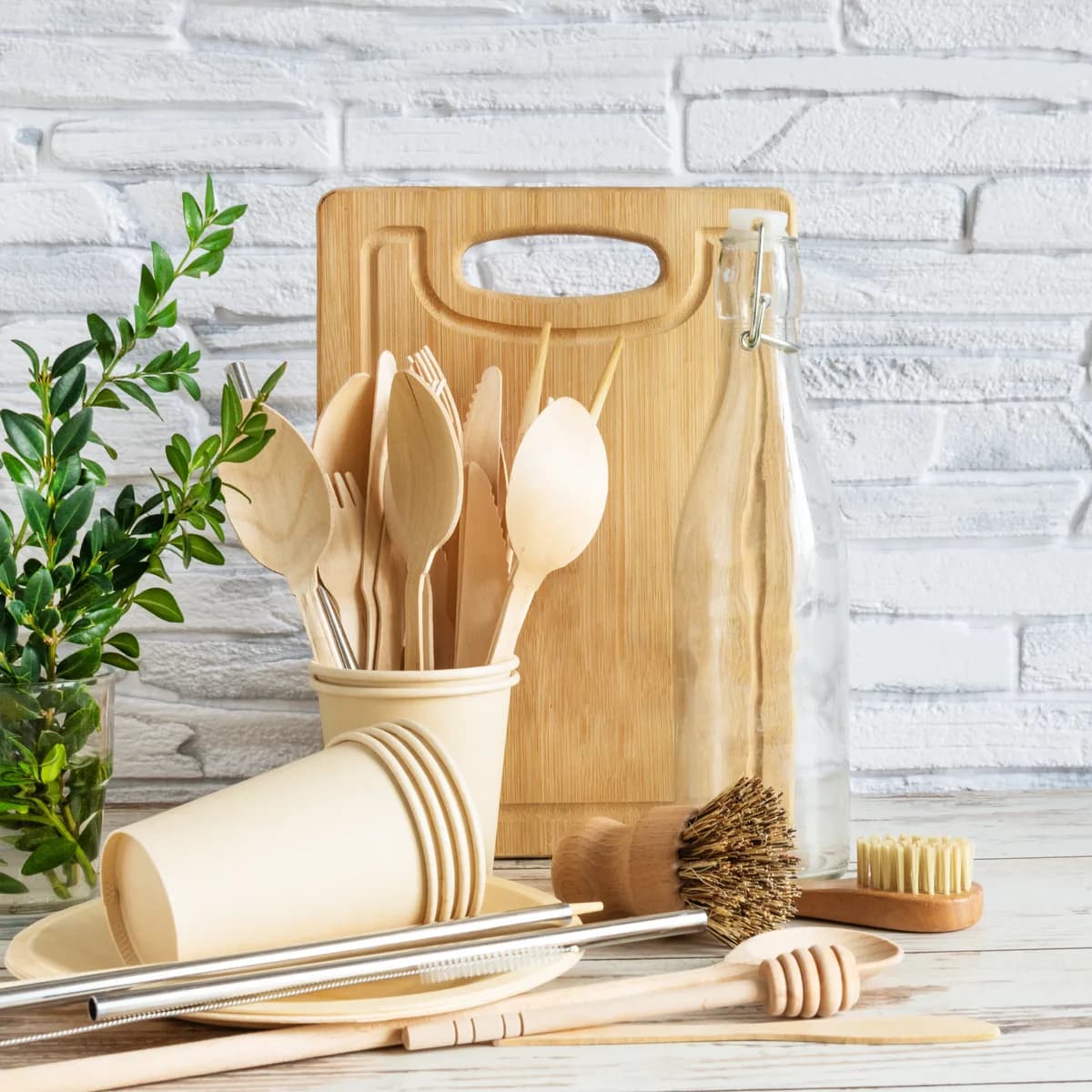
Children face proportionally higher exposure given their body size and hand-to-mouth behavior. Replacing plastic plates, bowls, and utensils with stainless steel, glass, or bamboo composite options is a high-value swap. For detailed product guidance, see our review of best non-toxic kids plates and utensils.
Practical Swap Priorities (Budget-Friendly Approach)
You don't need to replace everything at once. If budget is a factor — and for most households it is — focus on the highest-exposure scenarios first:
- Replace plastic containers used for heating food — this is the single highest-impact change.
- Swap containers used for fatty or acidic foods (tomato sauce storage, oily meal prep).
- Retire scratched, cloudy, or old containers regardless of type.
- Replace kids' food containers and water bottles next, given developmental sensitivity.
For a room-by-room, step-by-step plan, our how to detox your kitchen of plastic guide walks through the full process without requiring an all-at-once overhaul. And for the broader picture of building a non-toxic kitchen — including cookware and water filtration — see The Non-Toxic Kitchen complete guide.
If you're prioritizing changes across your whole home — not just the kitchen — our guide on going toxin-free on a budget offers a practical triage framework.
The Bottom Line
The question of whether are plastic containers safe doesn't have a single yes-or-no answer — but the evidence leans toward meaningful caution, particularly for plastics numbered #3, #6, and #7 polycarbonate, and for any plastic used with hot food. BPA's health concerns are well-documented, and its common replacements don't represent the clean slate the industry implied. Meanwhile, the microplastics story is still unfolding, and what's already known is enough to justify reducing exposure where practical.
The good news: switching to glass and stainless steel food storage is one of the most straightforward changes you can make in a non-toxic kitchen, with durable products available at nearly every price point. Start with the containers you heat food in, work through the highest-risk categories, and let the transition happen over time. Small, consistent changes to daily food storage habits are among the most effective steps you can take toward a lower-toxin home.